
As parcel volumes rise, Customs teams are expected to maintain control across more shipments, often without equivalent increases in staff, space or inspection resources. This puts pressure on clearance processes, frontline teams and the ability to keep legitimate trade moving.
Declarations, shipping documents and pre-arrival data can be incomplete, inaccurate or intentionally misleading. Customs teams need stronger ways to understand what is actually inside a parcel — not only what the data says should be there.
When officers can see an anomaly but cannot identify the substance, uncertainty often has to be resolved through secondary inspection, manual searches or further testing. This can create delays, increase workload and expose frontline teams to unknown or hazardous materials.
X-ray Diffraction provides advanced material identification to help Customs teams combat illicit trafficking. The SDX 10060 XDi brings this capability into frontline Customs inspection, analysing the molecular structure of materials to identify unknown, disguised or mis declared substances with greater confidence.
By adding a new layer of material certainty to high-volume inspection environments, XRD helps Customs teams make clearer decisions on what to release, stop or investigate further.

Material identification through molecular fingerprinting
XRD identifies materials at a molecular level. Distinguish between threats and benign substances with far greater certainty.

Clearer decisions in high-volume environments
By providing stronger material insight earlier in the inspection process, XRD helps teams make more confident decisions on what to release, stop or investigate further.

Safer, non-intrusive inspection workflows
XRD helps reduce the need for direct contact with unknown or potentially hazardous substances, supporting safer inspection processes for frontline officers.
//

XRD helps Customs teams add a stronger layer of material insight to high-volume inspection workflows, supporting control across more shipments without relying on manual intervention alone.
//

XRD provides unmatched accuracy, identifying substances by their unique molecular fingerprint, supporting the confident interdiction without the need for intrusive, manual searches.
//
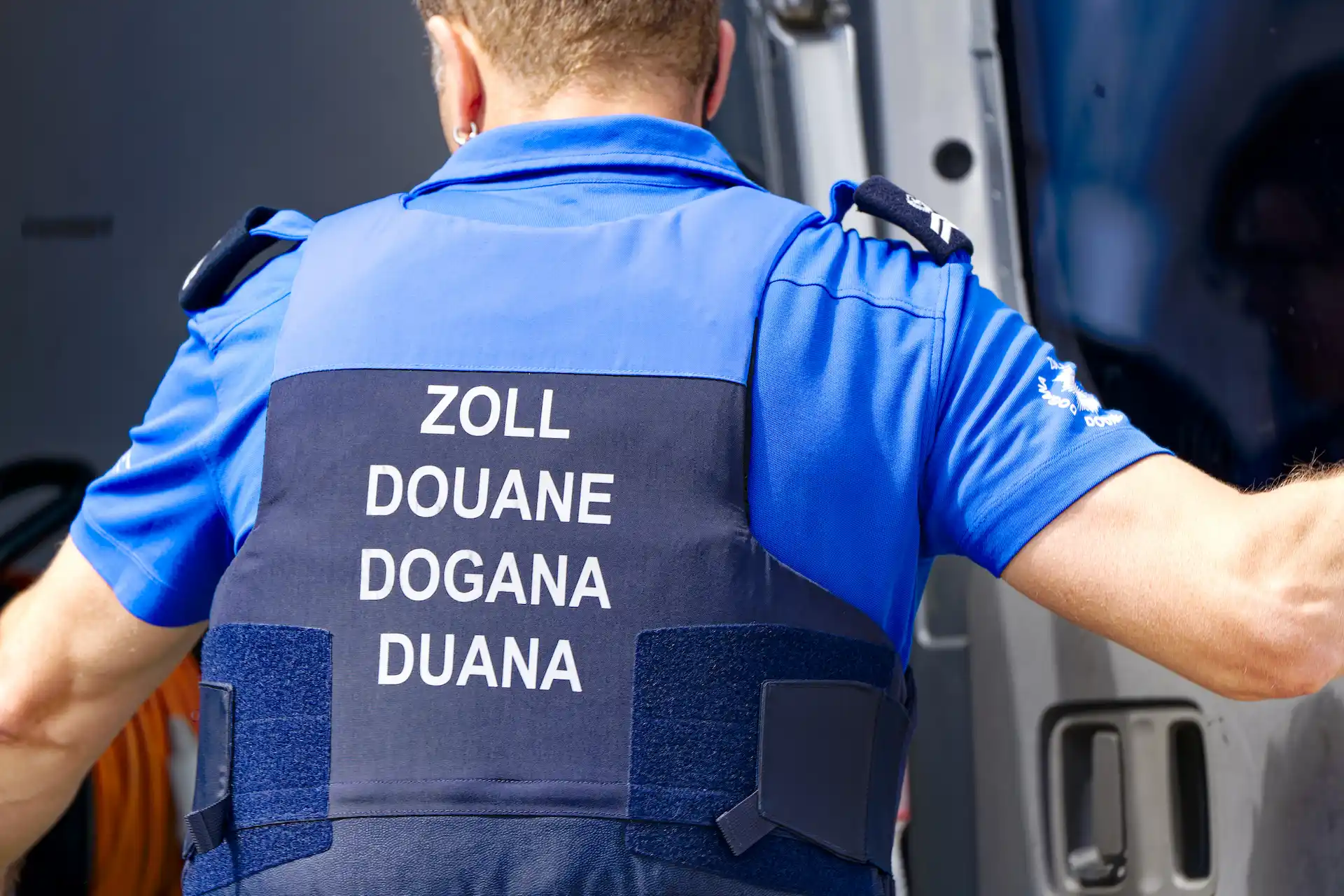
Greater material certainty supports in intercepting contraband and illicit goods, resulting in a bigger, better societal impact.
//

XRD adapts alongside threats and criminal activity by adding to the technology’s flexible material library – retaining strategic relevance for years while strengthening border integrity and perception.
//

Non-intrusive material identification helps reduce the need to physically open parcels containing unknown or potentially hazardous substances.
XDi uses X-ray Diffraction to analyse the molecular fingerprint of a substance, helping Customs teams distinguish between benign materials, contraband and dangerous substances with greater confidence.
As criminal networks change substances, formulations and concealment methods, XDi supports an inspection capability that can evolve with emerging threats.
XDi adds automated material identification to frontline inspection workflows, supporting clearer decisions without relying on manual inspection alone.
By providing stronger material insight before a parcel is opened, XDi helps teams decide what to release, stop or escalate for further investigation.